By Mark Namanya
When Côte d’Ivoire hosted the Africa Cup of Nations (AFCON) in 2024, the hosts’ remarkable recovery from a shaky group-stage campaign to eventual champions became one of the tournament’s defining stories. Yet, beyond the drama on the pitch, the competition also offered visiting fans an opportunity to experience the country’s rich culinary heritage.
Among the standout dishes was attiéké, a fermented cassava-based food widely regarded as a national staple and recognised by UNESCO as an element of Côte d’Ivoire’s intangible cultural heritage. Visitors to Abidjan, Yamoussoukro, Korhogo, San-Pédro and Bouaké also sampled local favourites such as kabato, alloco, placali and fufu.
Indeed, major sporting events such as AFCON are about much more than football. They give host nations a powerful platform to showcase their cultures, traditions, hospitality, and national identity. For many travelling supporters, the food they encounter becomes one of the most memorable aspects of their experience.
At the most recent edition in Morocco, cuisine was also a key part of the tournament’s appeal. The country’s celebrated tagine dishes, prepared with a variety of meats, fish, vegetables, and aromatic spices, offered visitors a taste of Moroccan tradition. Whether served in a traditional clay pot or prepared using other cooking methods, tagine reflects the country’s distinctive culinary identity.
Now, the spotlight turns to Uganda.
The Pearl of Africa is blessed with an abundance of indigenous foods and culinary traditions, offering visiting supporters a rich variety of flavours to explore when AFCON PAMOJA 2027 kicks off on 19 June 2027.
Matooke and posho, also known regionally as ugali, are among Uganda’s staple foods and are likely to feature prominently on the menus offered to visitors. Other popular options include millet-based dishes, katogo, cassava, sweet potatoes, yams and the much-loved luwombo delicacy.
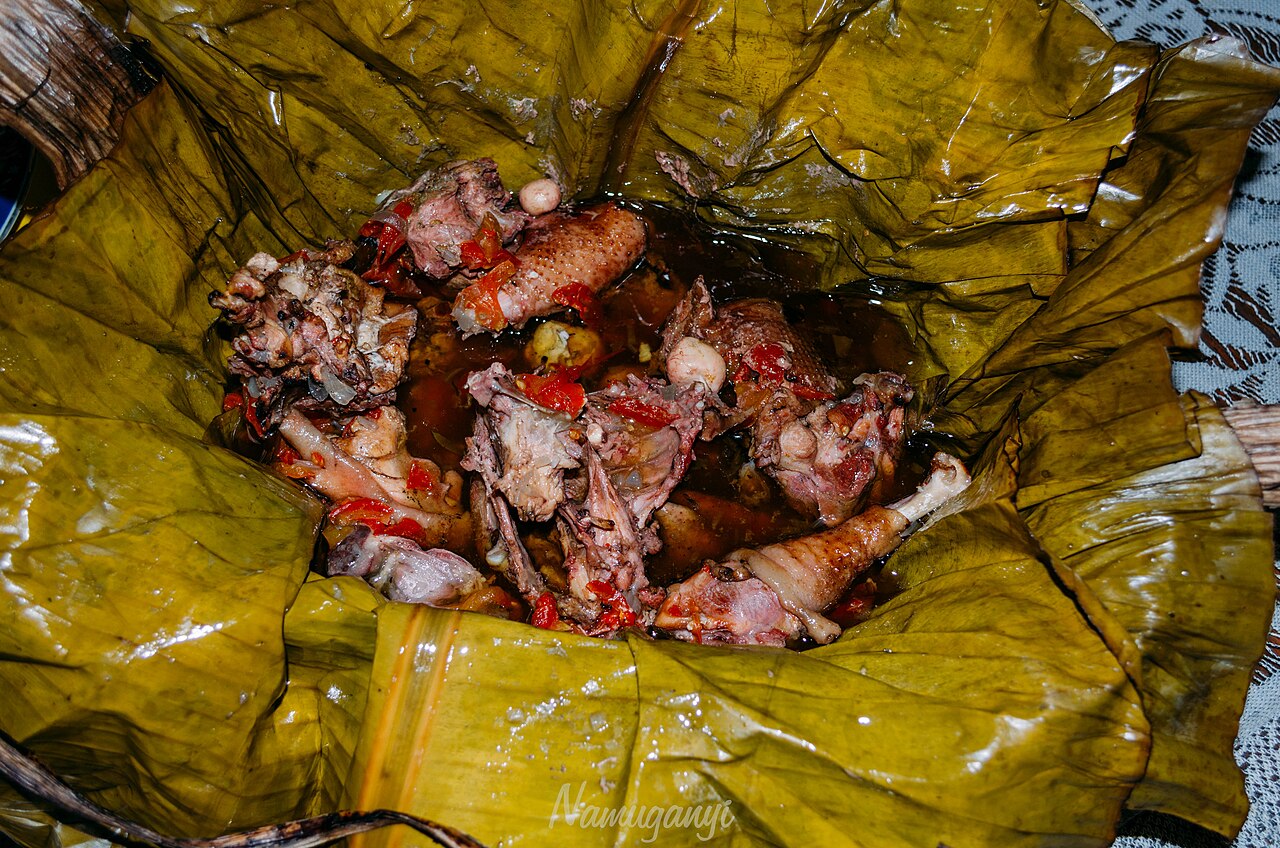
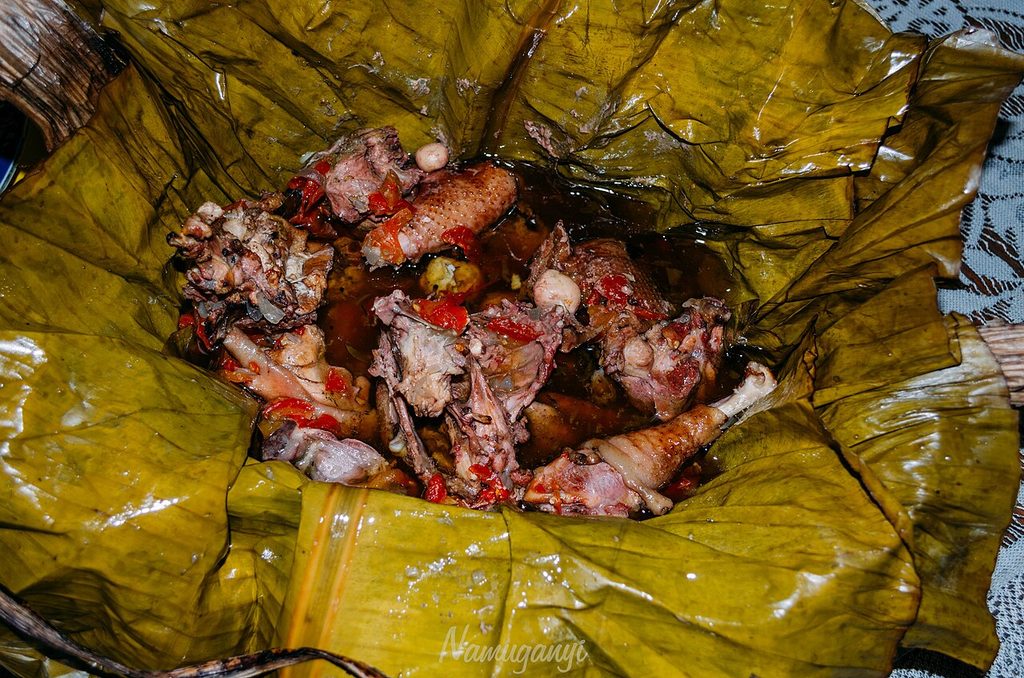
Traditionally prepared luwombo, in which meat, chicken, fish or other ingredients are steamed in banana leaves, is a particularly distinctive feature of Ugandan cuisine. Its preparation and presentation reflect a culinary heritage passed down through generations.
Uganda’s diverse regional food traditions will offer visitors even more to discover. Northern Uganda, for instance, is renowned for dishes such as malakwang and eboo or boo, traditional leafy vegetable preparations that can be enjoyed with complementary foods and accompaniments such as odii (simsim paste). These dishes represent the richness of local ingredients and the distinctive tastes of communities across the country.
The famous Rolex will also be central to Uganda’s culinary showcase. A popular and affordable street food, the Rolex consists of an omelette, often prepared with vegetables such as tomatoes, onions and cabbage, rolled inside a freshly made chapati. From roadside stalls to established eateries, it has become one of Uganda’s most recognisable food brands and an essential experience for many visitors.
Regional identities are equally reflected in the country’s food culture. Malakwang and eboo or boo are particularly associated with communities in northern Uganda, while chapati has a strong presence in eastern Uganda. Matooke, meanwhile, is especially prominent in central and western Uganda, although it is enjoyed in many other parts of the country.
As preparations for AFCON PAMOJA 2027 gather momentum, restaurants, hotels, street-food vendors and other hospitality businesses in Greater Kampala, Mukono, Wakiso, Bunyoro and Lango will have an opportunity to showcase their culinary offerings to an international audience.
For these businesses, the tournament presents an opportunity to attract new customers, promote local food products and create lasting impressions among tourists, football officials, teams, journalists and other visitors. It will also be an important test of the hospitality sector’s readiness to serve a diverse international audience while preserving the authenticity of Uganda’s food culture.
The stakes are particularly significant because AFCON PAMOJA 2027 will be the first edition hosted jointly by Uganda, Kenya and Tanzania, bringing the continental tournament to East Africa for the first time. The three countries will have an opportunity to present their distinctive cuisines and demonstrate the region’s shared heritage of hospitality.
Kenya and Tanzania also boast rich culinary traditions, with dishes and ingredients that reflect their diverse communities, landscapes and histories. Together, the three hosts can turn the tournament into a celebration not only of football but also of East African food, culture and identity.
Ultimately, AFCON PAMOJA 2027 offers Uganda and its co-hosts an opportunity to leave visitors with memories that extend beyond the stadiums. From the aroma of freshly prepared luwombo to the irresistible appeal of a street-side Rolex, the region’s culinary offerings could become an attraction in their own right.
When the final whistle blows on 17 July 2027, the goals, celebrations and sporting achievements will be remembered. But so, too, could the flavours of East Africa.
AFCON PAMOJA 2027 will be a tournament of football, culture, hospitality — and food.